17,737 comments on referendum procedures: this does not mean Japan’s Constitution changed
The October 30 notice concerns rules for the amendment process. The Constitution’s substance and the procedures around it are different layers.
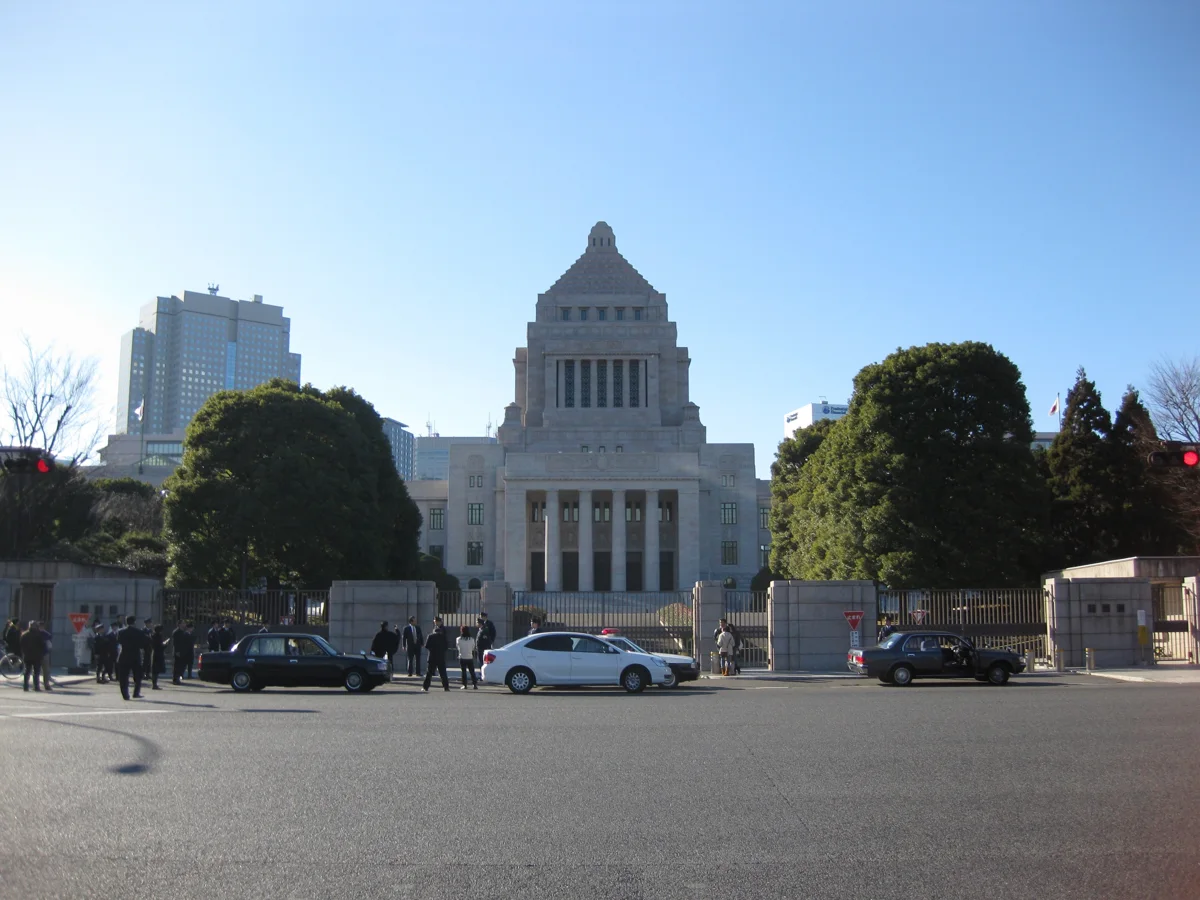
A headline about amending constitutional amendment procedures can sound as though the Constitution itself has changed. The consultation results published on October 30, 2026 concern proposals to amend the Cabinet order and ministerial regulations under Japan’s Act on Procedures for Amendment of the Constitution. Identifying what kind of document is changing is the first step.
Verified facts: results and promulgation on October 30
The ministry’s e-Gov notice lists 17,737 submitted comments and states that no revision to the proposal was made in response to comments. The proposal was published on August 26, with a September 24 deadline. Both publication of the results and promulgation are dated October 30.
The instruments listed are Cabinet Order No. 337 of 2026 and Ministry of Internal Affairs and Communications Ordinance No. 122 of 2026. The notice links to the ministry’s responses, the order, a comparison of old and new provisions, and the ordinance. The verified development here is publication of these procedural documents.
Interpretation: procedural rules and constitutional text are different layers
Article 96 of Japan’s Constitution sets out initiation by the National Diet and approval by the people. Initiation requires support from at least two-thirds of all members of each House, followed by majority approval in the prescribed referendum or poll held at an election specified by the Diet.
Promulgation of a Cabinet order or ministerial ordinance does not by itself mean the constitutional text has been amended.
An everyday analogy is the difference between deciding what a meeting should resolve and deciding how that meeting is run. A referendum is not legally equivalent to an ordinary meeting; the analogy only helps separate substance from procedure. It also does not mean procedure is irrelevant.
Ease of participation and access to understandable information help shape the conditions for a decision.
What “no revision” does and does not establish

In this notice, “no revision” answers a specific field about revisions made in light of submitted comments. It does not establish that all comments were identical, that officials did not read them, or that the public supported the proposal. Those would be different claims requiring different evidence.
Likewise, 17,737 is not an election tally of votes for or against a constitutional amendment. Readers need to examine which provisions comments addressed and how the administration explained its responses. A high count does not automatically prove an argument correct, just as a low count would not make it irrelevant.
An everyday perspective: check the conditions for participation
This announcement should not be read as setting a national referendum date. The results notice examined here is not a notice of a vote on a specific constitutional amendment proposal. The next questions concern the provisions affected, when they take effect, and whose actions the procedures govern.
Our editorial view is that separating three questions makes discussion clearer: what is being changed, can people obtain the information needed to decide, and can they understand how to participate? This is a reading framework, not support for or opposition to a particular constitutional amendment.
Read the comparison and the responses together
This article does not speculate about unverified details of the individual amendments. Start with the official comparison of provisions, then read the responses to comments. If a specific constitutional amendment proposal is being discussed elsewhere, treat that as a separate document.
This sequence helps prevent a change in procedure from being mistaken for a change in the Constitution’s substance.
Your next reading checklist
- Which document?
- Which provisions?
- When effective?
Sources and scope
Checked November 1, 2026 (Japan time). Verified public information is distinguished from this blog’s interpretation. The linked primary sources are in Japanese; summaries are our own, not direct quotations.