Chiyoda’s Tokyo assembly by-election on November 1: what office is being chosen?
An official election notice explains the vacancy, schedule and voting conditions. We connect the assembly’s work to everyday policy.
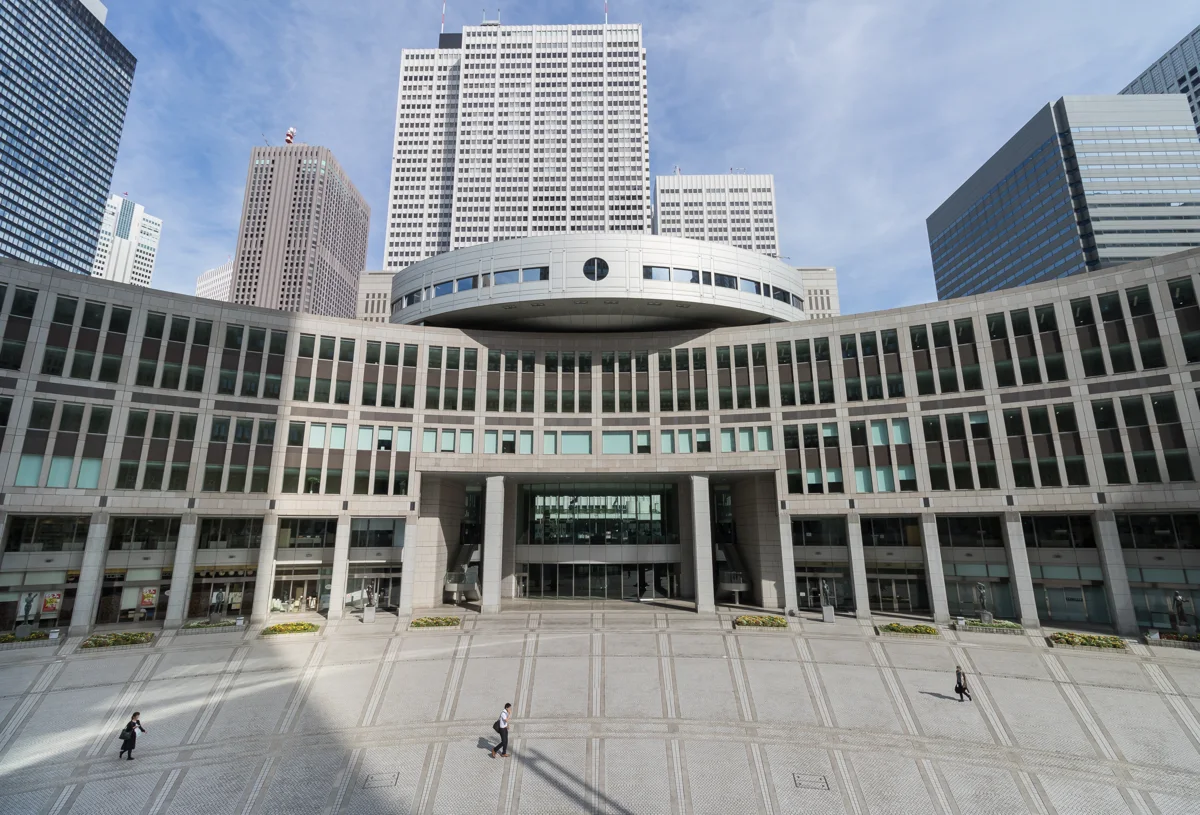
A by-election for the Tokyo Metropolitan Assembly in the Chiyoda electoral district is scheduled for November 1, 2026. Local elections may receive less attention than national contests, but this one chooses a representative in an assembly that considers Tokyo’s budgets and ordinances. Here is what the Tokyo election commission’s notice establishes and which documents readers can consult.
Verified facts: the date was decided after notice of a vacancy
The commission’s outline says it received notification of a vacancy from the assembly speaker on September 14. On September 17, it decided to hold the by-election on November 1. Tokyo’s election schedule lists one vacancy in Chiyoda. The formal election notice was scheduled for October 23.
The outline gives October 24–31 for early and absentee voting, and November 1 for voting and same-day counting. This article is a pre-vote explanation checked on the morning of November 1. It does not anticipate a winner or turnout figure. Once results become available, consult the official count.
Assembly, ward council and governor are different offices
This election chooses a member of the Tokyo Metropolitan Assembly. It does not choose a Chiyoda Ward Assembly member or the governor of Tokyo. Separate the location—Chiyoda—from the office—the metropolitan assembly. Although a member is elected in a particular district, the assembly considers matters concerning metropolitan administration.
The assembly’s official explanation describes its role in deliberating and deciding on proposals. Matters include Tokyo’s budget, ordinances, certain contracts and important personnel appointments. Deliberating on a budget submitted by the governor and implementing administration are different roles.
Everyday effects emerge through budgets and ordinances
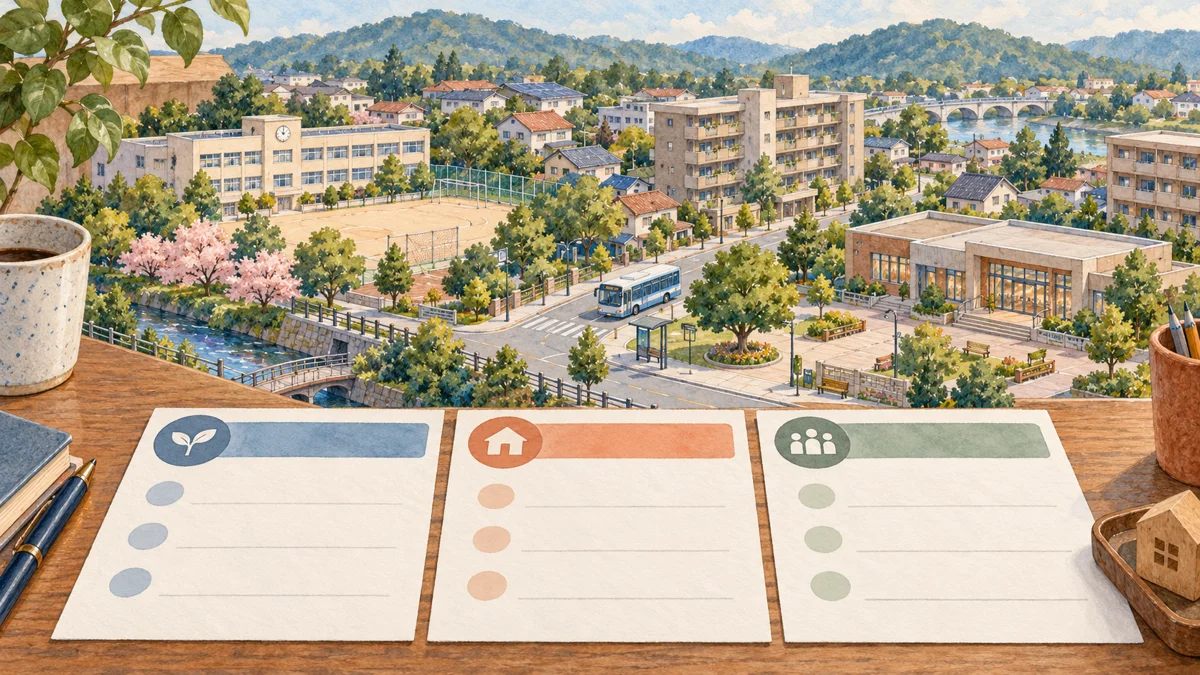
When comparing proposals about childcare, disaster preparedness or transport, ask which part of Tokyo’s responsibilities a proposal concerns. These are general examples of how to compare policies, not summaries of any candidate’s platform in this election.
If a proposal appeals to you, useful follow-up questions include how it would be funded, whether it falls within metropolitan or ward responsibilities, and what assembly proposal or debate would move it forward. Electing a single member does not automatically put that person’s proposal into operation. Deliberation and budget processes still matter.
Check your own voting conditions rather than relying on a general rule
Eligibility involves not only age but also registration on the electoral roll and residence conditions. The official outline specifies birth-date and move-in criteria, and notes that some people who moved elsewhere within Tokyo may still be able to vote. If you have recently moved, consult the election commission rather than assuming your position.
The notice also warns that hours for early and absentee voting differ by location. On November 1, information about early voting ending the previous day should not guide a same-day visit. Check your voting notice and the latest Chiyoda election commission information for the polling location and hours. This blog does not determine individual voting eligibility.
Next: candidate documents and official results
Before voting, compare election commission candidate information and the election bulletin on the same basis. Consider the people a policy targets, its route to implementation and how concretely it is explained, rather than attention alone. This blog does not recommend a particular candidate.
After voting, distinguish an interim count from the final result: every figure has a reporting time. You can later follow the elected member’s questions and decisions through assembly minutes and voting records. That provides a way to connect election day to the representative’s subsequent work.
Your next reading checklist
- Who benefits?
- Metro or ward?
- How implemented?
Sources and scope
Checked November 1, 2026 (Japan time). Verified public information is distinguished from this blog’s interpretation. The linked primary sources are in Japanese; summaries are our own, not direct quotations.